
Never heard the word before? No problem. The Orishas are the deities of the Yoruba people of West Africa - think of them as characters, each with its own mood, story and way of moving. Through the diaspora they travelled to Cuba, and each one carries its own rhythm and vocabulary of movement. In the Afro class we bring them to life one by one - no background needed.
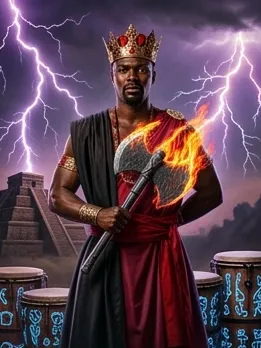
Shangó
Thunder & fire
⚡Swings the double-headed axe (oshe), symbol of lightning and his royal power.
💃Explosive, proud warrior movement, lightning throws and swinging axe strikes.
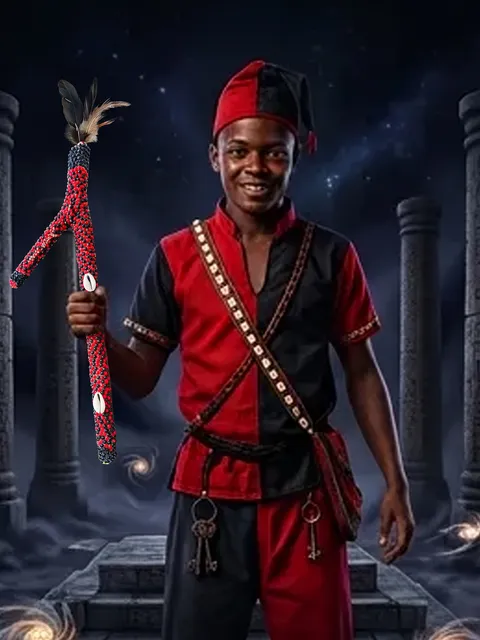
Elegguá
Crossroads & destiny
🗝️Carries the garabato, the hooked stick that opens and closes the roads of destiny.
💃Playful, childlike footwork with sudden changes of direction and quick spins.

Oggún
Iron & labour
⚔️Wields the machete and iron tools, master of metal and hard labour.
💃Grounded, forceful stances with sharp cutting motions, like clearing a path through jungle.
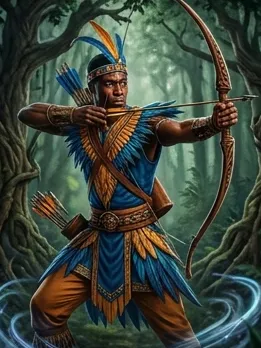
Ochosi
The hunt & precision
🏹The hunter with bow and arrow, who never misses his mark.
💃Bow-and-arrow gestures, clean lines and a focused, precise step.

Obatalá
Peace & wisdom
🕊️Holds the iruke, the white horsetail whisk, and dresses in white: purity and wisdom.
💃Slow, dignified walking that carries the calm and grace of an elder.
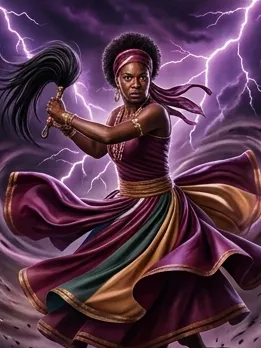
Oyá
Winds & change
🌪️Wields the horsetail whisk and machete, sweeping death away with the wind.
💃Whirlwind rotations, flowing fabric that draws the storm through the air.
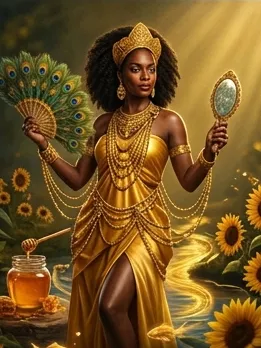
Oshún
Love & rivers
💛Carries the mirror, the fan and honey, the tools of charm and love.
💃Sensual hip play and sweet, flowing motion, smooth as running honey.

Yemayá
Ocean & motherhood
🌊Holds the fan (abebe) and the seashells of the ocean, mother of the sea.
💃Wave-like arms and rolling motions that echo the sea and a mother’s embrace.
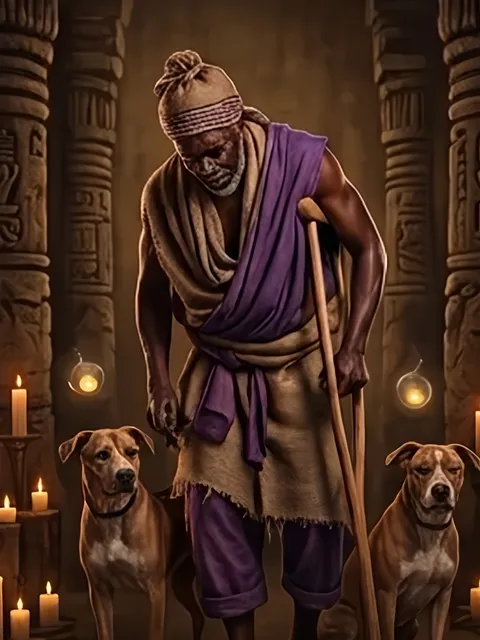
Babalú-Ayé
Healing & earth
🩹Carries the ja, the broom of palm fibres, that sweeps away sickness and evil.
💃Humble, bent posture with a limping step and sweeping, cleansing gestures.
You are not just dancing steps - you are learning to speak each Orisha’s language through your body. This Afro-Cuban foundation is exactly what gives salsa its depth, its root and its honesty: once you understand where a movement was born, your dancing stops imitating and starts expressing. At Ahinama in Galatsi we work these roots with respect for tradition and a strong focus on technique, so every student can find their own rhythm inside the Orishas.
From the Yoruba to Cuba
The Orishas come from the Yoruba people of West Africa, in what is now Nigeria and Benin. The slave trade carried thousands of Yoruba to Cuba, where, to keep their faith alive under forced Catholicism, they paired each Orisha with a saint. That is how Santería was born. The sacred batá drums and their rhythms survived - and with them the dances we now call Afro-Cuban.
How the rhythms live inside salsa
Cuban music never left these roots behind. The clave, the tumbao, the call-and-response - all lead back to the drum. Timba bands openly reference the Orisha rhythms and chants; a breakdown can drop straight into a rhythm for Yemayá or Shangó. Once you learn each Orisha’s movement, you begin to hear these moments and answer them with your body, instead of just stepping on the beat.
Why it makes you a better dancer
Afro training builds the body isolation, weight and groundedness that partner dances rarely teach on their own. Beyond technique, it gives your salsa intention: a shoulder roll becomes Yemayá’s wave, a sharp accent becomes Shangó’s axe. Dancers who know where the movement comes from stop copying steps and start telling a story.
Good to know
Frequently Asked Questions
Do I need to be religious to dance the Orishas?
No. In class we approach the Orishas as culture, rhythm and movement, with respect for their sacred origin. You do not need to belong to any religion.
How many Orishas are there?
The tradition counts hundreds, but a core group of around a dozen is the one most danced and most present in Cuban music. Those are the ones we focus on.
Is this cultural appropriation?
We teach with credit to the Yoruba and Afro-Cuban communities who created and preserved this art. Learning with respect, and naming the source, is appreciation - not appropriation.
Which Orisha suits beginners?
Many start with Yemayá or Oshún - their flowing, rounded movement is welcoming and quickly translates into a softer, more musical salsa.
FREE TRIAL CLASS
Feel the beat - your first class is free
Your first class is always free.